Saturday, February 21, 2015

বায়ুজীবী সিপিএম


অসামান্য দল এই বাংলার সিপিএই(এম)l তেনারা শ্রমজীবি মানুষের কথা বলেন আর লাল ঝান্ডা দিয়ে শিল্প বিতারিত করেন l দীর্ঘ তিরিশ বছর ধরে এক নেতার নেতৃত্বে দল চালিয়েছেন l জেলাভিত্তিক কর্মসূচি নিয়ে প্রতি টি জেলায় শিল্পে তালা ঝুলিয়েছেন, সেটা হাওড়া হোক বা হুঘলি,মেদিনীপুর বা আসানসোলে l সেই শ্রমজীবির নেতার  অপদার্থ পুত্র কিন্তু শ্রম ছেড়ে শিল্পপতিতে পরিনত হয়েছিলেন l শুধু তিনি নন বাংলার নেতার সঙ্গে দিল্লির সর্দারজীর পুত্র ও কোটিপতি হয়েছেন l বাংলার জনগণ অভুক্ত থেকেছেন l শ্রমজীবি নেতা অর্থ আনতে প্রতি বছর বিদেশ যাত্রা করেছেন কিন্তু গমন আগমনে যত খরচা করেছেন তত পয়সাও আসেনি বাড়তি দুরস্ত l অতঃপর দল এ বিদ্রোহ ,দলের একটি অংশকে বিরোধীর হাতে শপে দিয়ে নিজে বিদায় নেন l কিন্তু বাংলা তো অভুক্ত ,সরকারি বৃদ্ধ অবসরপ্রাপ্ত কর্মী ছাড়া , তাদের দল এ আর কেও নেই l তাই তাদের দিয়েই মিথ্যাচার শুরু, গ্রামে গ্রামে লোক পাঠিয়ে সরকারি কর্মচারীদের বলে বেড়াচ্ছেন প্রধানমন্ত্রী নাকি পেনশন বন্ধ করে দেবেন l এই শিশুসুলভ মিথ্যাচার করতে হত না যদি আপনাদের শ্রমজীবি নেতা শিল্প বিতারিত না করতেন আর আসল শ্রমিকদের বিশ্বাস আপনাদের ওপর থেকে না উঠে যেত l

সিপিএম এমন দল যারা চিরকাল অপদার্থতা আর মিথ্যাচারের প্রতিক

কাজে কাজে  বেলা গেল
বলে ভাই মামদো
 নন্দর চপ  খেয়ে
কেটে গেল  ছন্দ

চপে ছিল  চুল যে
 ভুটভাট করে পেট
 নামাবলী তে ছাপা
ফেইসবুক এ মার্কেট

কেট কেট কেটবাজ
ভেতরেতে ফক্কা
বিমানএ তে  চেপে যাও
 বুদ্ধ  তে  ছক্কা

আগে তাও  ভোট  ছিল
ভুটভাট  বায়ুত্যাগ
কানে কানে  মন্ত্র
একে ওকে তাকে ত্যাগ

রেশন ডিলারশিপ
 চাকরি দেবে যে দাদা
সিঁড়ি  ধরে গুতোগুতি
মুখ বুজে তাই হাঁদা
সালেম এর ঘরে ঘুরে
 টাটার টাকেতে ঝুলে
 গোখরো ধরতে গিয়ে
 আসলেতে ধরে হেলে


Wednesday, February 18, 2015

TeleVaja Model of Economics


 This happened after Ms Banerjee won the most coveted award in Economics, Nobel Prize in the year 2015. Her work on Televaja(তেলেভাজা) for over 10 years had fetched her Nobel Prize in Economic Sciences in the year 2015. It was Ms Banerjee’s Theory of Televaja which gave altogether a new dimension to the subject of Economics and her theory works wonder to revive any model of Economics when it fails!!Inspired by NarendraModi’s “Chai peCharcha”, she threw a high tea party to commemorate her award-winning at Kolkata Book Fair Hall at Kolkata Book Fair 2016. All stalwarts from the field of Economics were invited at that “Chai peCharcha”. ChatterjeeBabu personally went to invite all of them for whichhe had to undergo a hectic non-stop schedule of 20 days to invite all invitees across the globe.Among the invitees were Adam Smith, John Maynard Keynes, Irving Fisher, Karl Marx, ElinorOstrom, Milton Friedman and many more!!

Date: Sunday, 31st January 2016
Time: 4:30 pm
Venue: Kolkata Book Fair Hall, Kolkata Book Fair 2016, Milan Mela Ground, Kolkata – 700046

Before entering the party

Banerjee:Bobby, see Gurung brought the tea or not? I phoned him to bring tea from Darjeeling, if he forget contact Gogoiji in Assam immediately and tell Gurung to go back Darjeeling. No package this year! What an insult if tea party, no tea!!
Bobby:Didi, Gurung delivered it in the morning.
Banerjee:Babbaa!! Good, Good, full package this year.
Bobby: But Didi, how come full package? Selection is in April!
Banerjee: OK OK pore dekhchi (will see later). Getting late, all has come?
Bobby: Yes Didi

Ms Banerjee enters the Hall and gets standing ovation from all invitees. She straight away snatches the microphone from ChatterjeeBabu,

Banerjee: Look I’m very happy. I’m very happy to win this award. All credit goes to MaatiManush for this wonderful prize! I was working on televaja for last 10 years. Actually, I like televaja. I eat televaja when I paint, when I draw, when I write poetry in different languages. Suddenly one day I realized this televaja is doing miracle in economy. Ramu, the televaja seller from Talirchal (roof with burnt earthen tiles) to 4 storied building!! I started observing how televaja is working. Observing, observing and one day I found televaja will solve all the economics problems!See Tata sitting there, he has also converted Tata Factory to TFC – Tata Fry Centre! He is getting raw material potato in cheap rate from Tarakeshwar with less transportation cost and selling “Alur Chop”. We are number 1 in “Alur Chop” in world now! There are many examples who are sitting here and you can talk to them individually later. I will not speak more, now let other speak.
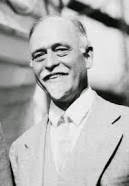

Irving Fisher: Didi, my work is relatively simple than yours. I formulated quantity theory of money in terms of the equations of exchange, the equation is
MV = PT
Where M be the total stock of money, V the velocity of circulation of money, P the price level and T …………

Banerjee:Televajaaa!! SeeFisser u increase Televaja, your stock of money and velocity will also increase. No problem, your equation never fail!! Next.


Elinor Ostrom: Didi, my research on analysis of economic governance has brought the subject from the fringe to the forefront of scientific attention, by showing how common resources can be managed successfully by the people who use them rather than by governments or private companies. Common resourses are forests, oil fieldsgrazing lands or fisheries…………

Banerjee:Ahaa!! Fish Fry!!!! See Elinoyou must tell your fishery peoples to supply fish we will make Fish Fry. Your poblem is solved!Next.


John Maynerd Keynes: Didi, my General Theory of Employment, Interest and Money argues that demand, not supply, is the key variable governing the overall level of economic activity. Aggregate demand, which equals total un-hoarded income in a society, is defined by the sum of consumption and investment. In a state of unemployment and unused production capacity, one can only enhance employment and total income by first increasing expenditures for either consumption or investment…………

Banerjee:Televajaa! Look John you can increase peoples expenditure by selling televaja! So your poblem for unemployment is also solved! Next.


Vilfredo Pareto: Didi, my work is relatively simple; I found 80-20 rule. Roughly 80% of the effects come from 20% of the causes. I found approximately 80% of the land in Italy was owned by 20% of the population, firstly I observed that 20% of the pea pods in my garden contained 80% of the peas…………

Banerjee: Ahaa!! Koraishutirkochuri (Geen-peas Kachori)!! That is also televaja. Next.


Aurther Cecil Pigou:Pigovian Tax is my brain child. It is a tax applied to a market activity that is generating negative externalities (costs for somebody else). The tax is intended to correct an inefficient market outcome, and does so by being set equal to the negative externalities. For example a businessman sells alcohol, because of the crime associated with alcohol; the sale of alcohol necessitates higher costs in policemen and prisons so……………

Banerjee:No, No, No, No!! We can’t stop selling alcohol. Televaja goes well with Alcohol! How can we stop? We will cover the cost of police and prison from televaja sales. OK. Next.


Karl Marx: Capitalists take advantage of the difference between the labour market and the market for whatever commodity the capitalist can produce. I observed that in practically every successful industry input unit-costs are lower than output unit-prices. I called the difference "surplus value" and argued that this surplus value had its source in surplus labour, the difference between what it costs to keep workers alive and what they can produce.

Banerjee (didn’t interrupt): Mr Marx, I respect you lot! When any comrade comes to my office I offer Fish Fry!! There is not much difference between unit cost and unit price in televaja. No labour poblem also, we pay well. See TATA, his TFC outlet has more dish-washer compared to employees of other factories!

(Silence)

Banerjee (continues): Mitra, tell them how we did last year.

Mitra (In American Accent): It had been a wonderful evening, having so many legends under one roof! I would like to congratulate Ms Banerjee for winning Nobel Prize in Economic Sciences in the year 2015 for her splendid work on TeleVaja. Well let me come back to the topic which Ms Banerjee has entrusted me. Last year India has overtaken China with a GDP growth of 8.1% but MaatiManush state has out-paced India and has grown at 11.71%!!

Paul Krugman: How?

Ben Bernanke: Amazing!! How was it possible?

Banerjee: We have 2 special televaja products named Dhoper Chop and Bhater Chop, which we don’t sell outside our state as our people are very happy with it. Whenever we need to perform we sell these 2 products.

Max Weber: Can we know the technical know-how?

Banerjee (grumbled): Once we appointed an All India distributor, Mr Manna at Delhi, to spread these two products pan India, but he ditched us on launch date!! Since then we don’t share the technical know-how to outsiders.

Banerjee (continues):So good night to everybody! Stay well!

Adam Smith (murmured): Era of Father of Economics ends here! Mother has come!!


Tuesday, February 17, 2015

Taxi Thugs

We are happy that many responses received due to misery in taxi strikes & unnecessary taxi refusal legalized by TMC. We seek your responses as well from article . we are putting up an experience from our reader.


From time immemorial, mode of transport has played a pivotal role in every human’s life. From horse back rides to carts, from palki to the ever innovative and improving modern day modes of transport.

In the South Eastern part of Asia we have a country called “BHARAT”, the land of varieties and
Wonders. Today we are standing at a juncture wherein are on the verge of losing both.
In the eastern part of Bharat we have a state called “WEST BENGAL” way behind it’s counterparts in all aspects of life. Looking back, in all fairness it started with the youth of the state being repulsive towards hard work and always engaging in dharnas with irrelevant and illogical demands making a Gateway to those ready to earn and form a nexus.

Having an approximate population of 9 crores, with not even 1 % paying Income Tax with a decreasing source and scope of earning ( though the country’s growth rate is increasing with signs of a more healthier one in future), an Income for which they have to go through a daily ordeal of commuting to and fro to their “Karmasthal”  with frequent strikes, refusal to go to the commuters destination and daily misbehavior of the transport staff. Amongst the wide variety of options available most prefer a taxi. To pay that Income Tax, we are at the mercy of these thugs.

With 60,000 + Yellow cabs and more application for licensees for the same, the government instead started issuing the NO REFUSAL CABS  in white, in it’s perusal of continuing to patronize the cabbies, we are now accustomed to their hooliganism . Most are from outside West Bengal, have formed a nexus so strong, that it is almost next to impossible to crack the same by any party whether in power or opposition as both the operators and the in-charges are from the same community and state mostly Bihar and Jharkhand.

Today, not just the commuters are at their mercy even the ruling party is in the same boat. Nothing satisfies these wolves. Giving a dual blow by to the already fund starved state, they are not only extracting the hard earned money of the less than 1% tax payers, also draining it all to their respective states.

The concept of appeasing a fraction of the voters at the cost of the majority (nothing related to CASTE OR RELIGION) has become the Bible of this day for all political parties across BHARAT. All of whom take the silent majority for granted and unabashedly appease a PRE– SCHOOL Mini PARK of the voters.
The day is not far off when the silent majority will revolt and teach the politicians the lesson of their lives and generations to come.


A recent example: Recently though, a taxi strike called off, most cabbies plied on the road only to refuse ferrying the commuters.
Our local cabbie a genuine man, whom almost all residents of the locality book in advance for occasions, was returning home after dropping an elderly couple at the air port. Near RUBY HOSPITAL, wherein on any day the Taxi drivers are at their best in displaying epitome of misbehavior both verbally and via physical gestures, saw 7-9 Taxies standing with the YELLOW GLOW SIGN ON and few feet away an elderly couple with medical packets in hand. When our cabbie agreed to drop them, the others gheraoed and started to deflate his taxi tyres and pulled out the elderly couple out of his cab. His plea fell to deaf ears and was threatened with dire consequences if helped.

Such is the state that no one has the courage to crack and do always with this nexus needless to say it would be foolish to approach the hopeless and termite infected Police Force of the State.

Ask any commuter of the harassment faced at the Howrah Railway Station wherein tickets are given only if the cabbie in line is agreeing to go to the destination requested for. Such is the treatment showered that it would be an understatement to say, a stray dog is treated well since both the taxi drivers and the booth operators are from the same region.


Monday, February 16, 2015

Taxi: Refusal to No-Refusal to Refusal!!

taxicab, also known as a taxi or a cab, is a type of vehicle for hire with a driver, used by a single passenger or small group of passengers, often for a non-shared ride. A taxicab conveys passengers between locations of their choice. This differs from other modes of public transport where the pick-up and drop-off locations are determined by the service provider, not by the passenger, although demand responsive transport and share taxis provide a hybrid bus/taxi mode.

Harry Nathaniel Allen of The New York Taxicab Co., who imported the first 600 gas-powered New York taxicabs from France in 1907, coined the word "taxicab" as a contraction of "taximeter cabriolet". "Taximeter" is an adaptation of the French word taximètre, coined from Medieval Latin taxa, which means tax or charge, together with meter from the Greek metron (μέτρον) meaning measure. A "cabriolet" is a type of horse-drawn carriage, from the French word "cabrioler" ("leap, caper"), from Italian "capriolare" ("to jump"), from Latin "capreolus" ("roebuck", "wild goat").


There are four distinct forms of taxicab, which can be identified by slightly differing terms in different countries:
·         Hackney carriages, also known as public hire, hailed or street taxis, licensed for hailing throughout communities
·         Private hire vehicles, also known as minicabs or private hire taxis, licensed for pre-booking only
·         Taxibuses, also known as jitneys, operating on pre-set routes typified by multiple stops and multiple independent passengers
·         Limousines, specialized vehicle licensed for operation by pre-booking
Although types of vehicles and methods of regulation, hiring, dispatching, and negotiating payment differ significantly from country to country, many common characteristics exist.

At Kolkata, the metered-cabs are mostly of the brand "Ambassador" manufactured by Hindustan Motors (now out of production). Once in a while, one or two Maruti Omnis, and Tata Indigo can be seen painted in yellow. During 2000s, air-conditioned cabs (known as "Blue-Arrow") and maroon cabs (running on compressed natural gas) were introduced. The meters - though digital - were generally out-of-date and there was a conversion chart to refer to while converting the meter-reading to the actual fare. In 2008, ORIX Auto Infrastructure Services Ltd. introduced an air-conditioned Radio Taxi service in Kolkata with the name 'Kolkata Cab' with fleets consisting of Indigo Marina only, which gained popularity among the city dwellers because it had comfortable seats, GPS monitoring, digital tamper-proof meters, receipt printers and lost-and-found facilities. Mega Cabs also provided same facilities. Some other prospective Radio Taxis rolled into the city – Fast Track, Easy Cabs and Meru Cabs, which quickly gained acceptance due to strikes by the taxi unions.

From December 2013, it was made mandatory, all taxis in Kolkata should have a calibrated electronic meter, where the passenger has to pay the exact value flashed on the meter. The minimum value is Rs.25 for first 2 km. This value gets flashed on the meter when one hires a cab. The yellow cabs are all non air conditioned and can be identified by its yellow livery and a glow light on top referring as taxi


Though the taxi service at Kolkata has improved a lot over the years, refusal and sudden strikes called by Taxi Unions are real headache for commuters. This had been a major problem since the Left regime. It was in 1990s, Asim Dasgupta, the then Finance Minister of state took this as a challenge and he himself led a crack-down operation on Taxi Refusal and Traffic safety at Kolkata.  Dasgupta spent several hours every morning for a fortnight assisting cops in the city to direct traffic and enforce road safety norms. It surprised many during those days as Dasgupta took this initiative despite the state having a Transport Minister of independent charge.

With the Maa-Maati-Manush government swinging into action on May 2011 with overwhelming majority, they started taking pro-Manush (pro-people) steps. Since for a very long time people in Kolkata were facing refusal and overcharging issues, the Maa-Maati-Manushgovernment gave priority to this issue. From December 2013, Kolkata has been gifted with a new fleet of No Refusal taxis. Most of these taxis are air conditioned (except the last produced batch of Ambassador) and are in white livery with a blue strip and AC taxi/taxi mentioned on front left door. The fare is same as in that of yellow taxis (same rate as flashed on the meter), except if driven with AC turned on, the passenger has to pay 25% on the displayed fare. So if the displayed fare is 100, the rate would be 125. The fleet includes Maruti Dzire, Tata Indigo CS, Tata Manza, Toyota Etios, Ford Fiesta, Mahindra Verito and the last production batch of Ambassador. All cars are first hand and are having electronic meter with a led display showing hired/for hire, GPS, FM radio. Moreover, a fine of Rs 3000 will be slapped if a passenger is refused by a Taxi. The Maa-Maati-Manush government made Taxi commuters happy. So far, So good!

The real story behind Maa-Maati-Manush government coming to power in 2011, slowly became evident with Saradha scam surfacing. Thanks of Pradesh Congress leader Mr Abdul Mannan for his initiative to file a PIL and CPI(M) leader Adv Bikash Ranjan Bhattacharjee for pleading the PIL,for CBI enquiry of Saradha Scam, at Supreme Court. The nexus of MPs and Minister of the Maa-Maati-Manush political party and Saradha owner started getting exposed with CBI enquiry. The support of people towards Maa-Maati-Manush political party got hugely damaged by this and people started moving away from Maa-Maati-Manush political party to support another political party. Needless to say, that the other political party is Bharatiya Janata Party, as people of West Bengal have already tested and tried the INC & the Left combine earlier and Maa-Maati-Manush political party now and all three have miserably failed. 


Ms Mamata Banerjee,with her transport minister, Madan Mitra, in jail in the SaradhaScam for the last two months, set out on Feb 12th, 2015 to solve the problem that had been plaguing Mitra for months before his arrest: frequent taxi strikes in Kolkata. The minister often heckled by section of Taxi communities. She even asked her All India! (thought party doesn’t exist in any other state) General secretary of the party to help Transport Minister, that too didn’t work.

Taxi Union primarily in Bengal led by 2 political parties,CPM & TMC. The ruling party wanted some sort of political relation with the party which has ruled 34 years in Bengal,i.e CPM. When She saw “Fish Fry” diplomacy with CPM gone badly to the grassroot of of both parties, She wanted another way of building relationship with CPM through Taxi. When Fuel prices going down considerably,TMC arranged further strike with CPM for increasing Taxi fare,to neutralize demand for decreasing fare. That too went very badly with all cross section of passengers. Rulers wanted Taxi workers in her time of distress so put another gamble to please Taxi owners & drivers. The West Bengal chief minister slashed the fine imposed on taxis for refusing passengers from Rs. 3000 to Rs. 100. The contentious Rs. 3000 fine had led to at least a dozen taxi strikes and protests last year.The plan now is, for the first complaint of refusal, a taxi driver will be fined Rs. 100, for the second refusal, Rs. 200, for the third refusal, Rs. 300, for the fourth and fifth refusal, Rs. 500, and for further complaints, Rs. 1000. She, however, was less categorical about late night refusals. Mamata Banerjee also said taxi drivers should show their humane face and not refuse passengers. Ms Banerjee forgot the passengers, who brought her into power. Passengers, plagued by frequent taxi refusals, are also wondering of Ms Banerjee's decision will reduce the taxi refusals or encourage taxi drivers to say no more often.


This is wooing the taxi drivers before civic election as there are almost 40,000 taxis in the city. But She forgot that depending on Taxi community she can not win Kolkata Corporation election whatever muscle they use. Number of commuters are in much higher numbers than owners & drivers. Unless her good sense prevails Commuters will drive them away. Muscle, donation to clubs & Imams & lastly appeasing ill headed Taxi community will only jeopardise their chances of winning any number of significant seats.


Sudden shift of focus of Maa-Maati-Manush government from Manush (people) to a selected group of Manush – taxi drivers, depicts its withering ground in WB politics as appeasement is the refuge taken by weak.

Tuesday, February 3, 2015

Interest Rate, Government Deposit Schemes, Chit Funds, PM Jan Dhan Yojana

Interest rate decisions are taken by the Reserve Bank of India's (RBI) Central Board of Directors. The official interest rate is the benchmark repurchase rate, which is better known to as REPO rate. It may be defined as the discount rate at which Reserve Bank of India repurchase government securities from Commercial Banks, depending on the level of money supply it decides to maintain in the country’s monetary system. Interest Rate in India averaged 6.68 percent from 2000 until 2015, reaching an all-time high of 14.50 percent in August of 2000 and a record low of 4.25 percent in April of 2009. Presently, interest rate in India is 7.75 percent.


Most of the time we see the REPO rate is used to control inflation in India (Inflation is defined as a sustained increase in the general level of prices for goods and services, it is measured as an annual percentage increase). How it controls inflation?  In general, as interest rates are lowered, more people are able to borrow more money. The result is that consumers have more money to spend, causing the economy to grow and inflation to increase. The opposite holds true for rising interest rates. As interest rates increase, consumers tend to have less money to spend. With less spending, the economy slows and inflation decreases.Usually with the increase or decrease in REPO rate, the commercial banks also increase or decrease its loan interest rate and deposit interest rate to pass on the benefit or disadvantage to its customer.


Hope we could explain REPO rate, inflation and its relation with deposit interest rate and loan interest rate in short and in layman’s language. Now let us try to understand small savings schemes also.


Commercial Banks and Post Offices play a major role in in small savings in India. Small savings schemes are designed to provide safe and attractive investment options to the public and at the same time to mobilise resources for development. These schemes operate through about 1.54 lakh post offices throughout the country. Public Provident Fund Scheme is also operated through about 8000 branches of public sector banks in addition to the post offices. Deposit Schemes for Retiring Employees operate through selected branches of public sector banks only.Rural India is more dependent on Post Offices for savings scheme as opening accounts in Bank so far had been a cumbersome process which asks for more documentation than Post Offices.


It is evident from the graph above that interest rate had gone through the roller coaster ride since 2000, majorly it declined. With the hassles of opening and operating account in Banks and Post Offices propelled by a decline in interest rate many small savings scheme lost its attractiveness which paved way for the so called Chit Fund to become a player in this segment.


Ponzi Schemes in India is popularly known as Chit Fund, though it is not. They were able to woo the investors with their promise of exorbitant high return on investment. They promised to double the invested amount in 3 years. 25.99 percent return per annum compounded annually!! This bluff was easily accepted by small and poor investors who were not connected to the commercial banks and post offices and due to lack of their awareness. Many Post Office, Insurance and Mutual Fund agents worked as an agent for these Chit funds also. With their earlier record of good services these agents were able to mop up a huge collection from the market. It reduced the collection in small savings schemes by 80% in states like West Bengal!! Well the role of leaders and members of the ruling party of West Bengal for Chit Fund Scam is under CBI scanner right now. Needless to say that these Chit Fund companies were there to cheat the investors, but the distributors, i.e. the agents should have been more careful while promoting Chit Fund schemes as they were aware of the prevailing interest rate in India and the promised interest rate of these chit fund companies, when compared, were too high! Chit Funds are now a history; CBI and ED are now resolving that mystery. The irreparable damage was done to the Indian economy as small savings schemes got a major blow from it.


Chit Funds were able to do their activity as most of India was excluded from the financial system and lack of awareness. Despite various measures for financial inclusion earlier, poverty and financial exclusion continued to dominate socio-economic and political discourse in India even after six decades of post economic independence era. Though the economy has shown impressive growth during the post liberalization era of 1991, impact yet to percolate to all sections of the society and therefore, India is still home of one-third of the world's poor. Census, 2011 estimated that only 58.7% of the households have access to banking services.The banking network of the country, as of 31.03.2014, comprised of a bank branch network of 1,15,082 and an ATM network of 1,60,055. Of these, 43,962 branches (38.2%) and 23,334 1 ATMs (14.58%) are in rural areas.


After becoming Prime Minister, Mr Narendra Modi announced Prime Minister’s Jan Dhan Yojana (PMJDY) – a plan for financial inclusion.  PMJDY is planned to be executed in mission mode, which comprises of the following six pillars:


·         Universal access to banking facilities: Mapping of each district into Sub Service Area (SSA) catering to 1000-1500 households in a manner that every habitation has access to banking services within a reasonable distance say 5 km by 14 August, 2015. Coverage of parts of J&K, Himachal Pradesh, Uttarakhand, North East and the Left Wing Extremism affected districts which have telecom connectivity and infrastructure constraints would spill over to the Phase II of the program (15 August, 2015 to 15 August, 2018)


·         Providing Basic Banking Accounts with overdraft facility and RuPay Debit card to all households: The effort would be to first cover all uncovered households with banking facilities by August, 2015, by opening basic bank accounts. Account holder would be provided a RuPay Debit Card. Facility of an overdraft to every basic banking account holder would be considered after satisfactory operation / credit history of six months.


·         Financial Literacy Program: Financial literacy would be an integral part of the Mission in order to let the beneficiaries make best use of the financial services being made available to them.

·         Creation of Credit Guarantee Fund: Creation of a Credit Guarantee Fund would be to cover the defaults in overdraft accounts.


·         Micro-Insurance:To provide micro- insurance to all willing and eligible persons by 14 August, 2018, and then on an ongoing basis.


·         Unorganized sector Pension schemes like Swavalamban: By 14 August, 2018 and then on an ongoing basis. Under the mission, the first three pillars would be given thrust in the first year. 


Timeline for Financial Inclusion Plan:

Comprehensive Financial Inclusion of the excluded sections is proposed to be achieved by 14 August, 2018 in two phases as under:


Phase I (15 Aug, 2014 - 14 Aug, 2015)


·         Universal access to banking facilities in all areas except areas with infrastructure and connectivity constrains like parts of North East, Himachal Pradesh, Uttarakhand, J&K and 82 Left Wing Extremism (LWE) districts.

·         Providing Basic Banking Accounts and RuPay Debit card which has inbuilt accident insurance cover of Rs 1 lakh. Aadhaar number will be seeded to make account ready for DBT payment.

·         Financial Literacy Program


Phase II (15 Aug, 2015 - 14 Aug, 2018)


·         Overdraft facility up to Rs 5000/- after six months of satisfactory operation / history

·         Creation of Credit Guarantee Fund for coverage of defaults in A/Cs with overdraft limit up to Rs 5,000/-.

·         Micro Insurance

·         Unorganized sector Pension schemes like Swavalamban


The number of accounts opened from 15August 2014 on 31 January 2015 along with the amount collected, despite being a zero-balance account, given below


Giunness Book of World Record recognized the achievement made under PMJDY for opening 18096130 accounts from 23 to 29 August 2014!!


PMJDY has already included 12.47 Crores accounts which means 12.47 Crores more people are aware of the banking system by now, which will further increase with time. At least one thing can be assumed that with more and more people undergoing financial inclusion the lesser is the chance for Chit Fund Companies to do their fraudulent activities in future.

Monday, February 2, 2015

সততার সারদা প্রাপ্তি

                                                          (আদিপর্ব)


“এতক্ষণে“, মুখ্যনেত্রী কহিলা বিষাদে,
“জানিনু কেমনে সিবিআই প্রবেশিল
তৃণমূলপুরে। হায় মুকুল! উচিত
কি তব হেন কাজ, বঙ্গ অগ্নিকন্যা
তব দিদি, সহোদর মদনদেব—
যানমন্ত্রী, খেলযন্ত্রী, কারণকিঙ্কর ?
কালীঘাট পথ দেখাও সিবিআইয়ে ?”
উত্তরিলা মুকুল, অগ্রজা, বৃথা গঞ্জ
মোরে। সারদার স্বর্ণ, রৌপ্য, মণিমুক্তা
কেবল আমি একা হরিয়াছি? কুণালদেব,
কলমজীবী, তব নয়নের মণিরে
যবে পাঠাইলা সংসদে, মজাইলা
তৃণমূলে, সমূলে উৎপাটন-বীজ
বপনিলা তুমি! গ্রুপ মিডিয়া সিইও
বানাইলা যবে তব অঙ্গুলিহেলনে
যুগ্মপুষ্পকুঞ্জে পুঞ্জিল কীট তবে।
চণ্ডালে বসাও আনি রাজার আলয়ে?
আমি অজ্ঞ, বিজ্ঞতম বঙ্গ দিদিমণি,
অগোচর নহে কিছু তোমার দ্বিনেত্রে।
ভ্রাতৃসম মিত্র, তব ছত্রচ্ছায়াতলে
‘বিন্দু বিন্দু হতে সিন্ধু’ দৈববাণী সম
উচ্চারিলা যবে, ধনদাত্রী ভাবি সবে
চিটফান্ডে রাখি রাশিরাশি ধনরাজি
সর্বঃস্বান্ত হল শ্রমিক, মজুর, কৃষক, তাঁতী।
প্রতিদিনমণি, বাগানের শিরোমণি
সৃঞ্জয়দেব ধনঞ্জয়, মন জয়
করিল যবে সারদারাজরাজেশ্বরে,
তঞ্চকশেখর সুদীপ্তরে, স্বাক্ষরিলা
সন্ধি আলিনগর সম, লুটিতে লক্ষ
কোটি! কহ দিদিমণি, নন্দীগ্রামমর্দিনী,
সিঙ্গুরনাশিনী-রুদ্রাণী, বঙ্গরঙ্গিণী,
গণতন্ত্রমন্দিরভঙ্গিনী, টালিচ্ছাদ
নিবাসিনী, কৌষিক পট্টবস্ত্রধারিণী,
শিলান্যাসিনী-সন্যাসিনী, প্রকাশ্য মঞ্চে
বংশদ্রষ্টায়িনী, চপ্পলচরণী রানি,
আসিফবাণীতে ডাকাতরানি, তব
অজ্ঞাতে পশ্চাতে দুষ্কর্ম করে দুঃশক্তি
কে ধরে? জিজ্ঞাসে দাসে, ক্ষুদ্রাতিক্ষুদ্র
মুখে বৃহৎ প্রশ্ন, মাতঃ, কেন ক্ষণার
প্রবচনসম বাণী উচ্চারিলা তুমি?
তস্করসারি কেন সাজাইলা যতনে
রণে-বনে-জলে-জঙ্গলমহলে,
ক্ষুদিরাম হলে? কেন অকারণে তুমি
উচ্চারিলে, 'কুণাল চোর, মদন চোর,
টুম্পাই চোর, মুকুল চোর, আমি চোর?'
কিন্তু ছাড় দুশ্চিন্তা, আশ্বাসে দাসে আজি
দিল্লি যাইব, ধাইব কানুনকুলভূষণ
কপিল ধামে, শলা করিব যোগ্যশিক্ষা
দিব সিবিআইয়ে। কালীঘাটের কলঙ্ক
আজি ভূঞ্জিব আহবে । ।               লেখক - শ্রী জয়দীপ চৌধুরী